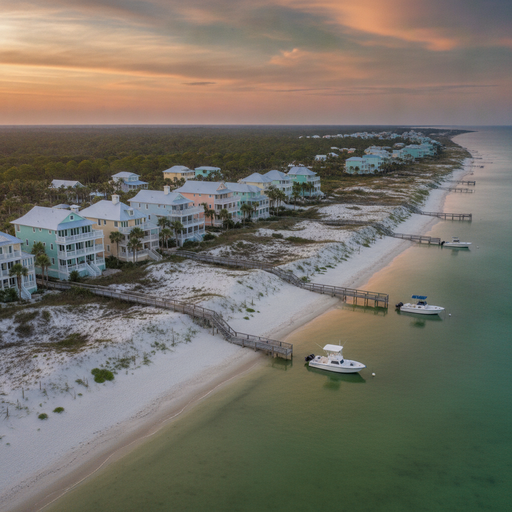

Imagine waking up not to the harsh buzzing of an alarm clock, but to the rhythmic cadence of waves folding over the shoreline. The air is thick with the scent of salt and tropical jasmine, and the sun is already painting the sky in hues of tangerine and soft violet. This isn’t a vacation brochure; for thousands of people, this is the daily reality of Florida coastal community living. It is a lifestyle defined by the tide, governed by the sun, and centered around a deep-seated appreciation for the great outdoors.
SUBMIT YOUR DETAILS FOR
Florida is a peninsula blessed with over 1,300 miles of coastline, making it a premier destination for those seeking a “salt life” transformation. However, moving to a coastal community in the Sunshine State is about more than just owning a swimsuit and a pair of flip-flops. It is an immersive experience that changes how you eat, how you socialize, and how you perceive time itself. Let’s dive into what makes living on the edge of the Sunshine State so uniquely captivating.
Choosing Your Horizon: Atlantic vs. Gulf Coast
The first thing any newcomer learns is that the “Florida coast” is not a monolith. There is a distinct personality difference between the East Coast (Atlantic) and the West Coast (Gulf of Mexico). Your choice of community will largely depend on the kind of energy you want to surround yourself with.
The Atlantic Coast is the land of movement and energy. From the historic charm of St. Augustine down to the glitz of Miami, the Atlantic side offers waves perfect for surfing, deep-sea fishing adventures, and a sunrise that will take your breath away every single morning. The communities here tend to be a bit more fast-paced, reflecting the power of the ocean they face. If you enjoy a morning jog on hard-packed sand while watching the sun crest over the horizon, the East Coast is calling your name.
On the flip side, the Gulf Coast is often described as “Old Florida” or “The Chill Coast.” Places like Naples, Sarasota, and the hidden gems of the Forgotten Coast offer emerald-green waters that are often as calm as a swimming pool. The sunsets here are legendary, drawing crowds to piers and balconies to watch the sun sink directly into the water. Gulf Coast living is generally slower, focused on boating, paddleboarding through mangroves, and finding the perfect seashell. It’s a place where the biggest stress of your day might be deciding which seafood shack has the best blackened grouper sandwich.
The Architecture of the Shoreline
When you walk through a Florida coastal neighborhood, you’ll notice a specific architectural language. Coastal homes are built to be both beautiful and resilient. You’ll see “Key West style” homes with metal roofs designed to reflect the sun’s heat and wrap-around porches that catch the sea breeze. Many modern homes are built on stilts—not just for flood protection, but to provide “under-house” parking and outdoor living spaces that stay cool in the shade.
Interior design in these communities often mimics the environment outside. High ceilings, large impact-resistant windows, and open floor plans are standard. People want to bring the outside in. You’ll see a lot of “coastal chic” decor—think driftwood textures, linen fabrics, and a palette of whites, sands, and seafoams. Living here means embracing a home that feels like a sanctuary, a place where the boundary between your living room and your patio feels almost non-existent.
The Community Spirit: More Than Just Neighbors
One of the most surprising aspects of Florida coastal living is the intense sense of community. In many landlocked suburbs, people pull into their garages and disappear. In coastal Florida, life happens in the front yard and on the water. It’s a culture of “stopping by.”
Golf carts are the preferred mode of transportation in many beach towns. It’s common to see neighbors cruising to the local coffee shop or the beach access point, waving to each other along the way. Local marinas and yacht clubs serve as the neighborhood hubs, where fish tales are swapped over cold drinks. There’s a shared bond formed by the environment; everyone knows when the snapper are biting, when the sea turtles are nesting, and when a tropical storm is brewing. This shared rhythm creates a tight-knit fabric that makes newcomers feel like locals remarkably quickly.
A Calendar Driven by Nature
In a coastal community, your social calendar is often dictated by the seasons of nature rather than the months of the year. Spring marks the begiing of manatee sightings in the warmer springs and coastal inlets. Summer brings the excitement of scallop season or the “Silver King” tarpon run. Fall is the time for outdoor festivals and boat shows as the humidity finally begins to break.
Even the local farmers’ markets take on a coastal flair. You aren’t just buying tomatoes; you’re buying stone crab claws (in season), local honey made from orange blossoms, and handmade crafts inspired by the sea. Living here means learning to appreciate the subtle shifts in the wind and the clarity of the water, things you might never have noticed living further inland.
Navigating the Reality: Salt, Sand, and Sun
While the lifestyle is idyllic, it does come with a set of unique responsibilities. Living by the ocean means contending with “the salt life” in a literal sense. Salt spray is corrosive, meaning that homeowners must be diligent about rinsing off their AC units, cleaning their windows, and maintaining their outdoor furniture. The humidity is a real factor, and locals learn the art of “managing the air”—knowing when to open the house to the breeze and when to rely on the dehumidifier.
Then there is the sand. No matter how many outdoor showers or foot-wash stations you have, sand will find its way into your life. It becomes a permanent guest in your car and your rugs. But ask any coastal resident, and they’ll tell you it’s a small price to pay for the privilege of having the beach as your backyard. The mindset shift is key: you stop worrying about the perfection of your floors and start focusing on the quality of your experiences.
Wildlife as Your Next-Door Neighbors
Florida’s coastal communities are shared spaces. You aren’t just living near other people; you’re living among some of the most fascinating wildlife iorth America. It’s not unusual to see a pod of dolphins playing in the wake of a boat during your morning commute across a bridge. You might find a prehistoric-looking wood stork perched on your mailbox or see a sea turtle crawl up the beach to lay her eggs on a moonlit night.
Coastal residents take great pride in protecting these neighbors. Communities often have “lights out” policies during turtle nesting season to ensure hatchlings find their way to the ocean. There is a collective respect for the ecosystem, from the delicate sea oats that hold the dunes together to the sprawling mangroves that serve as nurseries for the ocean’s fish. This coection to nature provides a sense of purpose and stewardship that enriches the living experience.
Conclusion: Is the Coastal Life for You?
Living in a Florida coastal community is an invitation to slow down. It is a rejection of the “hustle culture” in favor of a life that values sunsets over screen time and boat days over boardroom meetings. It’s about the feeling of sand between your toes and the sound of the wind through the palm fronds. While there are practical considerations like hurricane prep and salt maintenance, the rewards—the health benefits of fresh air, the vibrant social life, and the sheer beauty of the landscape—are incomparable.
Whether you are looking for a high-energy surf town on the Atlantic or a sleepy fishing village on the Gulf, Florida’s coast offers a version of paradise for everyone. It’s not just a place to live; it’s a way to live. If you’ve ever felt the pull of the tide or the warmth of the Florida sun and thought, “I could get used to this,” then maybe it’s time to trade your shoes for sandals and make the coast your home.