The Coastal Dream Within Reach: Why Manufactured Home Living is the Best Secret Near the Shore

The Morning Mist and the Sound of the Surf
Imagine waking up to the gentle sound of seagulls calling in the distance and the rhythmic pulse of waves hitting the shore. You roll out of bed, brew a fresh pot of coffee, and step out onto your spacious deck. The air is thick with the scent of salt and jasmine. This isn’t a scene from a five-million-dollar mansion in Malibu or a luxury villa in the Hamptons. This is the reality for thousands of people who have discovered the “secret” to coastal living: the modern manufactured home.
SUBMIT YOUR DETAILS FOR
For decades, the dream of living near the ocean was reserved for the ultra-wealthy or those willing to spend their entire lives paying off a staggering mortgage. But the landscape of American real estate is shifting. As traditional home prices skyrocket, a new generation of homeowners—from retirees to digital nomads—is looking toward manufactured housing as a stylish, sustainable, and surprisingly luxurious way to claim their piece of the coastline.
Breaking the Old Stigma: This Isn’t Your Grandfather’s Trailer
To understand why coastal manufactured living is booming, we first have to address the elephant in the room. When some people hear the term “manufactured home,” they immediately think of the “mobile homes” of the 1970s. They picture narrow hallways, flimsy walls, and metal siding. However, today’s manufactured homes are a completely different breed of engineering.
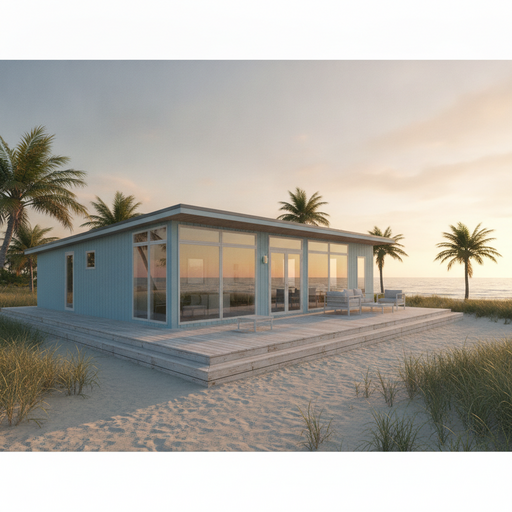
Modern manufactured homes are built in climate-controlled environments according to strict HUD (Department of Housing and Urban Development) codes. They feature high-end finishes that would make any interior designer swoon. We are talking about open-concept floor plans, vaulted ceilings, gourmet kitchens with quartz countertops, and master suites with walk-in rainfall showers. Once these homes are sited and landscaped, it is often difficult to distinguish them from a traditional “site-built” home. In a coastal setting, they are frequently elevated on pilings, adorned with wraparound porches, and painted in vibrant Caribbean hues or muted Cape Cod grays.
The Financial Freedom of the Tide
The most compelling reason people are flocking to manufactured homes near the beach is, quite simply, the math. In many coastal regions, a traditional stick-built home located within a mile of the water can easily start at $600,000 and climb into the millions. A high-end manufactured home in the same area might cost a fraction of that, even when factoring in land or community fees.
This financial gap opens up a world of possibilities. Instead of pouring every cent into a mortgage, coastal residents are using their savings to truly live. They are buying boats, traveling the world, or retiring ten years earlier than plaed. Living near the coast isn’t just about the house; it’s about the lifestyle—the ability to walk to the beach at 4:00 PM on a Tuesday because you aren’t tethered to a crushing debt load.
Land-Lease vs. Land-Owned Communities
When you look into manufactured living near the coast, you’ll generally find two paths. The first is land-lease communities. In this scenario, you own the home, but you lease the “lot” it sits on. These are often resort-style communities with incredible amenities like heated pools, clubhouses, and private beach access. The second path is land-owned, where you purchase a small plot of land and have the home installed. While owning the land is a better long-term investment for equity, land-lease communities offer a low-maintenance lifestyle that is incredibly popular for those looking to simplify their lives.
Built to Weather the Storm
A common question for anyone considering a move to the coast is: “Is it safe?” Coastal areas are prone to high winds and salt air, which can be tough on any structure. Fortunately, manufactured homes built for coastal zones are engineered for these exact conditions. Homes destined for the coast are built under “Wind Zone 2” or “Wind Zone 3” standards, meaning they are reinforced to withstand hurricane-force winds.
Furthermore, the materials used in modern manufactured homes are increasingly resistant to the corrosive nature of salt spray. From fiber-cement siding (like James Hardie board) to high-impact windows, these homes are designed to be durable. In many cases, a brand-new manufactured home built to current HUD standards is actually safer in a storm than an older, traditional stick-built cottage that hasn’t been updated in forty years.
The Social Fabric of Coastal Communities
One of the most unexpected joys of living in a manufactured home community near the water is the sense of belonging. Traditional suburbaeighborhoods can often feel isolating, with tall fences and neighbors who barely nod as they pull into their garages. Coastal manufactured home parks, however, tend to foster a “porch culture.”
Because the homes are situated closer together and the communities are often gated or age-restricted, people tend to look out for one another. You’ll find golf cart parades, sunset potlucks on the beach, and organized fishing trips. There is a shared understanding among the residents that they’ve all “hacked” the system—they’ve found a way to live in paradise without the pretense. It creates a relaxed, vacation-like atmosphere that lasts all year round.
Designing Your Coastal Sanctuary
One of the best parts of choosing a manufactured home is the ability to customize. If you were buying an existing coastal cottage, you’d likely have to deal with outdated plumbing or cramped rooms. When you order a new manufactured home, you are the architect of your own happiness.
- Windows with a View: You can opt for oversized, energy-efficient windows that flood your living space with natural light and maximize your view of the dunes.
- Outdoor Living: Most coastal residents spend as much time outside as they do inside. You can design expansive decks, outdoor kitchens, and even rooftop viewing platforms to catch the sunset.
- Smart Storage: Coastal living often involves “toys”—paddleboards, fishing gear, and beach chairs. Many modern designs incorporate smart storage solutions to keep your home clutter-free.
Environmental Considerations and Sustainability
Living near the ocean makes you acutely aware of the environment. Manufactured housing is inherently more sustainable than traditional construction in several ways. Because they are built in a factory, material waste is reduced by up to 90%. The precision of factory construction also means these homes are often more airtight and energy-efficient than their site-built counterparts, leading to lower utility bills and a smaller carbon footprint.
Additionally, because these homes can be placed on specialized foundation systems, they often have a smaller impact on the local topography. This is crucial in delicate coastal ecosystems where preserving the natural drainage and vegetation is key to preventing erosion.
Making the Move: What You Need to Know
If you’re ready to trade the snow shovel for a sand shovel, there are a few practical steps to take. First, research the “Wind Zone” requirements for your desired area. Florida, the Carolinas, and the Gulf Coast have specific regulations that your home must meet. Second, visit several communities. Every park has its own “vibe”—some are quiet and focused oature, while others are active hubs with pickleball courts and social directors.
Lastly, talk to a lender who specializes in manufactured housing. Financing a manufactured home is slightly different than a traditional mortgage, but with the rise in popularity of these homes, there are more options than ever, including FHA and VA loans for qualifying properties.
Conclusion: Paradise Found
Living near the coast isn’t just about a zip code; it’s about a state of mind. It’s about the slow mornings, the salty skin, and the feeling of peace that only the ocean can provide. For too long, this lifestyle felt out of reach for the average person. But through the iovation, affordability, and beauty of modern manufactured homes, the gates to paradise have been swung wide open.
Whether you are looking for a weekend retreat to escape the city grind or a permanent residence to spend your golden years, the coastal manufactured home offers a path to a life well-lived. It turns out you don’t need a million dollars to have a million-dollar view. You just need a little bit of vision and the courage to embrace a different way of living.