The Changing Tides of Florida’s Coastal Housing Market: What Every Buyer and Seller Needs to Know

The Allure of the Sunshine State
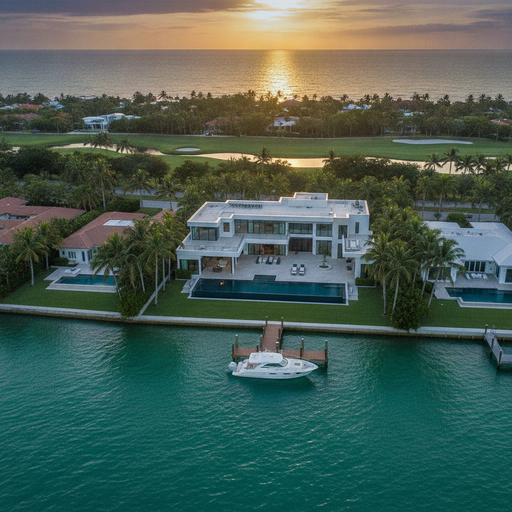
Imagine waking up to the rhythmic sound of the Atlantic waves crashing against the shore or watching a fiery sunset dip below the horizon of the Gulf of Mexico. For decades, this dream has fueled one of the most vibrant real estate markets in the world. Florida’s coastline isn’t just a geographic boundary; it is a lifestyle brand. However, if you have been tracking the Florida coastal housing trends lately, you know that the story is changing. The “Gold Rush” atmosphere of 2021 and 2022 has evolved into something far more complex, nuanced, and strategic.
SUBMIT YOUR DETAILS FOR
As a seasoned observer of these coastal markets, I’ve seen the shift from frantic bidding wars to a more calculated environment. Whether you are looking for a condo in Miami, a bungalow in Clearwater, or a luxury estate iaples, the rules of the game have been rewritten. Let’s dive into the current currents shaping the Florida shoreline and what they mean for your next move.
The Post-Pandemic Rebalancing Act
To understand where we are, we have to look at where we’ve been. During the pandemic, Florida became the ultimate escape. Remote work liberated thousands of professionals from high-tax, cold-weather states, leading to an unprecedented migration. This surge in demand sent prices skyrocketing, often leaving locals priced out of their oweighborhoods.
Today, we are seeing a “rebalancing.” The frantic pace has slowed, not because people don’t want to live in Florida anymore, but because the market is catching its breath. Inventory levels, which were at historic lows for years, are finally begiing to creep up. This gives buyers something they haven’t had in a long time: options. Sellers, on the other hand, are learning that they cao longer simply name a price and expect five offers by the weekend. Pricing has become an art form again, requiring a deep understanding of hyper-local data.
The Impact of Interest Rates and “Golden Handcuffs”
One of the most significant trends affecting the Florida coast is the “lock-in” effect. Many homeowners currently sit on mortgage rates below 3%. Moving to a new coastal home—even if they have significant equity—means taking on a mortgage at 6% or 7%. This has created a unique bottleneck. While there is more inventory than a year ago, it is still below pre-pandemic norms because many potential sellers are staying put to keep their low rates.
For buyers, these higher rates mean that affordability is the primary conversation. We are seeing a trend where buyers are looking for smaller footprints or slightly more inland properties that still offer “coastal access” without the direct beachfront price tag. The dream hasn’t died; it has just become more budget-conscious.
The Insurance Elephant in the Room
We caot talk about Florida coastal housing trends without addressing the elephant in the room: homeowners’ insurance. Over the past two years, premiums have surged, and some national carriers have scaled back their presence in the state. For many coastal residents, the cost of insurance is now a significant portion of their monthly carrying costs, sometimes rivaling the mortgage payment itself.
This has led to a fascinating shift in buyer behavior. Today’s buyers are incredibly “insurance-literate.” They aren’t just looking at the granite countertops; they are asking about the age of the roof, the presence of hurricane impact windows, and the elevation of the property. Homes that are “hardened” against the elements—those with modern mitigation features—are selling at a premium, while older homes that require expensive insurance upgrades are sitting on the market longer.
The Rise of Climate-Resilient Luxury
As a result of these insurance and environmental concerns, we are witnessing the birth of a new architectural standard along the coast. New construction in Florida is no longer just about aesthetics; it’s about resilience. Developers are building homes on elevated pilings, using reinforced concrete, and installing sophisticated drainage systems that can handle Florida’s intense summer downpours.
Luxury buyers are increasingly gravitating toward these “fortified” homes. There is a peace of mind that comes with knowing your coastal retreat is built to the latest 2024 building codes, which are some of the strictest in the world. This trend is particularly evident in areas like Fort Lauderdale and West Palm Beach, where modern glass towers are designed to withstand Category 5 winds while offering panoramic views of the water.
A Tale of Two Coasts: Atlantic vs. Gulf
Florida is a big state, and the trends aren’t uniform. The Atlantic Coast (East) and the Gulf Coast (West) are telling different stories right now.
The Atlantic Coast: High-Octane Urbanism
On the East Coast, particularly in Miami and Fort Lauderdale, the market remains driven by international investment and the “Wall Street South” movement. High-net-worth individuals from New York and Chicago continue to relocate, keeping the luxury condo market relatively resilient. The lifestyle here is fast-paced, urban, and deeply coected to the ocean.
The Gulf Coast: Relaxed Refinement
On the West Coast, areas like Sarasota, Naples, and Fort Myers are seeing a steady recovery. Following the impact of recent hurricanes, there has been a surge in renovation activity. The Gulf Coast remains a top choice for retirees and those seeking a slower pace of life. Here, the trend is toward “turn-key” properties. Buyers are exhausted by the idea of renovations and are willing to pay a premium for a home that is ready for move-in today.
The Short-Term Rental Shift
For a long time, buying a Florida coastal property as an Airbnb investment was a “no-brainer.” However, 2024 has brought new challenges to this strategy. Many coastal municipalities have introduced stricter regulations on short-term rentals to preserve the character of residential neighborhoods. Additionally, the market has become saturated in some areas, leading to lower occupancy rates.
Investors are now shifting their focus toward long-term rentals or “medium-term” rentals for traveling professionals. The “get rich quick” mentality of the vacation rental market is being replaced by a focus on long-term appreciation and steady, reliable cash flow.
What Should Buyers Do?
If you are looking to buy along the Florida coast right now, my best advice is: do your homework. You have more leverage than you did two years ago. Don’t be afraid to ask for seller concessions or repairs. Most importantly, factor in the “true cost” of ownership. Look beyond the purchase price and calculate your insurance, taxes, and potential HOA fees. If a deal looks too good to be true, check the flood zone and the age of the major systems.
What Should Sellers Do?
If you are selling, you must be a realist. Your neighbor’s house might have sold for a record high in 2022, but that is no longer the benchmark. To attract a buyer in today’s market, your home needs to be in top condition. Investing in “unsexy” upgrades like a new roof or impact-resistant doors will often yield a higher return than a kitchen remodel because it makes the home insurable and financeable for the buyer.
Conclusion: The Future of the Shoreline
The Florida coastal housing market is currently in a chapter of maturity. The wild volatility of the recent past is fading, replaced by a market that rewards quality, resilience, and smart pricing. While challenges like insurance and interest rates remain, the fundamental draw of Florida—the sunshine, the lack of state income tax, and the incomparable water views—continues to pull people toward the coast.
We are moving toward a future where “coastal living” means living smarter. It’s about building better, buying wiser, and respecting the power of the ocean. Florida’s shoreline will always be some of the most coveted real estate on Earth; it’s just that now, the market is asking for a little more diligence in exchange for that slice of paradise.