The Integrated Advantage: Harnessing ERP Tools for Superior Project Management
In today’s dynamic business landscape, organizations are increasingly project-driven. From product development and infrastructure construction to IT implementations and marketing campaigns, projects are the vehicles for strategic execution and growth. However, managing these complex endeavors effectively often presents significant challenges, including resource allocation conflicts, budget overruns, communication breakdowns, and a lack of real-time visibility. Traditionally, project management has often operated in silos, using dedicated tools that, while excellent for specific tasks, frequently lacked integration with the broader enterprise ecosystem.
Enter Enterprise Resource Planning (ERP) systems. Originally conceived to integrate core business processes like finance, human resources, supply chain, and manufacturing, modern ERP solutions have evolved to extend their powerful integration capabilities to project management. By leveraging ERP tools, organizations can break down informational barriers, streamline workflows, and gain a holistic view of project performance, ultimately leading to more successful outcomes.
This article explores the profound impact of integrating ERP tools into project management practices, detailing the specific functionalities that contribute to enhanced project success, the myriad benefits derived, the challenges to consider, and how to effectively choose and implement an ERP system for project management excellence.
Understanding the Fundamentals: ERP and Project Management
Before diving into the integration, it’s crucial to grasp the core concepts of both ERP and project management.
What is Enterprise Resource Planning (ERP)?
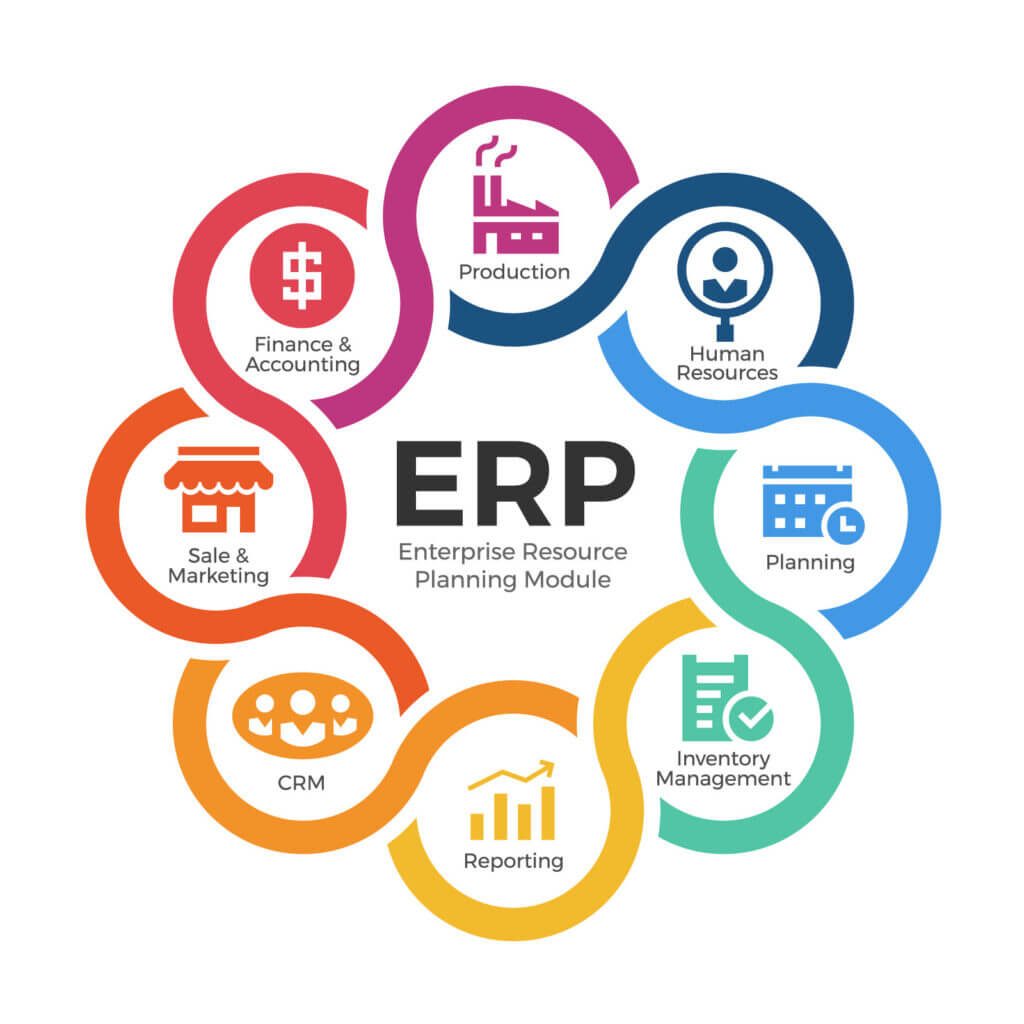
ERP is a comprehensive software system designed to integrate and manage all the core business processes of an organization into a single, unified system. Its primary goal is to provide a central repository of data, allowing various departments to access and share information seamlessly, thereby improving efficiency, collaboration, and decision-making. Key modules typically include:
- Financial Management: General ledger, accounts payable/receivable, budgeting, forecasting.
- Human Capital Management (HCM): Payroll, HR administration, talent management, time tracking.
- Supply Chain Management (SCM): Procurement, inventory, logistics, warehousing.
- Manufacturing: Production planning, quality control, material requirements planning (MRP).
- Customer Relationship Management (CRM): Sales, marketing, customer service.
The power of ERP lies in its ability to provide a "single source of truth," eliminating data duplication and ensuring consistency across the enterprise.
The Essence of Project Management
Project management is the application of knowledge, skills, tools, and techniques to project activities to meet the project requirements. It involves a structured approach that typically spans five phases:
- Initiation: Defining the project, its objectives, and stakeholders.
- Planning: Developing a detailed roadmap, including scope, schedule, budget, resources, and risks.
- Execution: Carrying out the planned work, managing resources, and communicating with stakeholders.
- Monitoring & Controlling: Tracking progress, managing changes, and ensuring adherence to the plan.
- Closing: Formalizing acceptance of the project, documenting lessons learned, and releasing resources.
The success of a project hinges on effective management across all these phases, often requiring precise coordination of diverse resources, timelines, and budgets.
The Convergence: How ERP Supports Project Management
Modern ERP systems are no longer just for back-office functions. Many now include dedicated project management modules or robust functionalities that inherently support various aspects of project execution. Here’s how ERP tools directly contribute to superior project management:
1. Integrated Financial Management & Budgeting
Projects are inherently financial undertakings. ERP’s financial modules provide a robust framework for:
- Project Costing: Accurately tracking all project-related expenses, from labor and materials to overheads and third-party services. This allows for real-time cost accumulation against specific project codes.
- Budget Management: Establishing and monitoring project budgets with granular detail, comparing actual expenditures against planned budgets, and identifying variances early.
- Revenue Recognition: For client-facing projects, ERP can automate revenue recognition based on project milestones, progress, or contract terms, ensuring accurate financial reporting.
- Invoicing & Billing: Streamlining the invoicing process for clients, integrating project progress with billing cycles, and managing accounts receivable.
- Cash Flow Forecasting: Providing insights into project-specific cash inflows and outflows, crucial for financial planning.
2. Comprehensive Resource Management
Resources (human, material, and equipment) are the lifeblood of any project. ERP systems excel in managing these critical elements:
- Human Resources (HR) Integration: Leveraging HR data to identify available personnel, track employee skills and certifications, allocate resources to specific project tasks, and monitor their utilization. This helps prevent over-allocation or under-utilization of valuable talent.
- Equipment & Asset Management: Tracking the availability, maintenance schedules, and utilization of project equipment. This ensures that necessary tools are available when needed and costly downtime is minimized.
- Material Resource Planning (MRP): For manufacturing or construction projects, ERP’s MRP capabilities ensure that raw materials and components are procured and delivered precisely when required, preventing project delays due to material shortages.
3. Streamlined Procurement and Supply Chain Management
Projects often rely heavily on external vendors and suppliers. ERP’s SCM modules offer:
- Automated Procurement: Generating purchase requisitions and orders directly from project plans, automating approval workflows, and integrating with vendor management systems.
- Vendor Management: Maintaining a database of approved vendors, tracking their performance, contracts, and delivery schedules, ensuring reliable supply chains for project materials and services.
- Inventory Management: Managing project-specific inventory, tracking material consumption, and optimizing stock levels to avoid waste or delays.
4. Time Tracking and Payroll Integration
Accurate time tracking is essential for both project costing and payroll. ERP systems facilitate:
- Employee Timesheets: Allowing project team members to log their hours against specific tasks and projects, providing accurate data for effort tracking and client billing.
- Automated Payroll: Integrating approved timesheets directly with the payroll system, ensuring accurate and timely compensation for project staff.
5. Robust Reporting and Analytics
One of the most significant advantages of ERP integration is the ability to generate comprehensive, real-time reports and analytics:
- Dashboards: Customizable dashboards provide project managers and stakeholders with an at-a-glance view of key performance indicators (KPIs) such as budget vs. actual, schedule adherence, resource utilization, and risk status.
- Drill-down Capabilities: The ability to drill down from high-level summaries to granular details allows for in-depth analysis and problem identification.
- Predictive Analytics: Advanced ERPs can use historical project data to forecast future trends, identify potential risks, and optimize resource allocation for upcoming projects.
6. Customer Relationship Management (CRM) Integration
For client-facing projects, integration with CRM modules is invaluable:
- Contract Management: Managing client contracts, scope changes, and deliverables within the same system.
- Communication Tracking: Logging all client communications, ensuring a complete history of interactions related to the project.
- Client Satisfaction: Tying project delivery directly to client satisfaction metrics, allowing for a holistic view of client relationships.
Key Benefits of Using ERP Tools for Project Management
The integrated approach offered by ERP systems brings a multitude of benefits that elevate project management from an operational necessity to a strategic advantage:
- Enhanced Data Accuracy and Real-time Visibility: By providing a single source of truth, ERP eliminates data silos and discrepancies, ensuring that all stakeholders operate with the most current and accurate information. This real-time visibility allows for proactive decision-making and rapid response to issues.
- Improved Resource Utilization: With a clear view of resource availability, skills, and current allocations, project managers can optimize resource deployment, prevent over-allocation, and ensure critical talent is utilized effectively across multiple projects.
- Better Financial Control and Cost Management: Granular financial tracking and immediate budget vs. actual comparisons empower project managers to maintain strict financial discipline, identify potential cost overruns early, and take corrective actions to stay within budget.
- Streamlined Procurement and Supply Chain: Automated procurement processes, integrated vendor management, and optimized inventory reduce lead times, minimize material shortages, and ensure projects receive the necessary components on time and within budget.
- Increased Collaboration and Communication: A centralized system fosters better communication among project teams, departments, and stakeholders. Everyone works from the same data, reducing misunderstandings and improving coordination.
- Better Risk Management: By integrating various data points – financial, resource, and schedule – ERP tools can help identify potential risks earlier, such as budget deviations, resource conflicts, or supply chain disruptions, allowing for timely mitigation strategies.
- Standardized Processes: ERP systems enforce standardized project management methodologies and workflows across the organization, leading to greater consistency, predictability, and quality in project delivery.
- Strategic Decision-Making: With comprehensive, integrated data and advanced analytics, senior management gains deeper insights into project portfolio performance, enabling better strategic planning, investment decisions, and alignment of projects with overall business objectives.
- Reduced Administrative Overhead: Automation of routine tasks like time tracking, expense reporting, and invoicing frees up project managers and team members to focus on core project activities rather than administrative burdens.
Challenges and Considerations
While the benefits are substantial, implementing and leveraging ERP for project management is not without its challenges:
- Complexity and Implementation Cost: ERP systems are complex and require significant investment in terms of software licenses, implementation services, customization, and ongoing maintenance. The implementation process itself can be lengthy and resource-intensive.
- Customization Needs: While many ERPs offer robust PM modules, specific industries or unique project types might require extensive customization, which adds to cost and complexity. Over-customization can also make future upgrades difficult.
- User Adoption and Training: Resistance to change is common. Users may find new systems daunting, and inadequate training can hinder adoption and reduce the system’s effectiveness.
- Integration with Specialized PM Tools: For highly complex or agile projects, specialized project management software (like Jira for software development or Primavera for large construction) might offer more granular scheduling or collaboration features than an ERP’s native PM module. The challenge then becomes integrating the ERP with these specialized tools to maintain data flow and avoid duplication.
- Data Migration: Migrating historical project data from disparate systems into a new ERP can be a complex and time-consuming process, requiring careful planning and execution.
- Vendor Lock-in: Choosing an ERP is a long-term commitment. Organizations can become heavily reliant on a single vendor, making it challenging and costly to switch in the future.
Choosing the Right ERP for Project Management
Selecting the appropriate ERP solution requires careful consideration and a thorough understanding of an organization’s specific needs:
-
Assess Your Specific Needs:
- What types of projects do you typically manage (e.g., internal IT, client services, construction, product development)?
- What is the typical scale and complexity of your projects?
- What are your critical pain points in current project management?
- What specific functionalities are non-negotiable for your project teams?
-
Evaluate ERP’s Project Management Functionality:
- Does the ERP offer a dedicated Project Management module, or are PM capabilities spread across other modules?
- How robust are its features for scheduling, task management, resource allocation, and progress tracking?
- Does it support your preferred project methodologies (e.g., Waterfall, Agile, Hybrid)?
-
Consider Integration Capabilities:
- How well does the PM functionality integrate with other core ERP modules (finance, HR, SCM)?
- Can it easily integrate with existing specialized PM tools or other enterprise applications if necessary?
- Are APIs available for custom integrations?
-
Scalability and Flexibility:
- Can the system scale with your organization’s growth and evolving project portfolio?
- Is it flexible enough to adapt to changes in your project management processes?
-
Vendor Reputation and Support:
- Research the vendor’s track record, industry experience, and customer support.
- Look for vendors with strong expertise in your industry.
-
Cost-Benefit Analysis:
- Beyond the initial investment, consider ongoing costs for maintenance, upgrades, and support.
- Quantify the potential ROI from improved project efficiency, reduced costs, and enhanced project success rates.
Conclusion
The evolution of ERP systems has fundamentally reshaped the landscape of project management. By unifying disparate functions into a cohesive, integrated platform, ERP tools empower organizations to manage projects with unparalleled efficiency, visibility, and control. From precise financial tracking and optimized resource allocation to streamlined procurement and robust reporting, the integrated advantage offered by ERP is undeniable.
While challenges related to complexity and implementation exist, the strategic benefits of breaking down silos and fostering a single source of truth for all project-related data far outweigh the hurdles. For organizations aiming to elevate their project success rates, enhance operational efficiency, and make data-driven strategic decisions, leveraging ERP tools for project management is not merely an option—it is a critical imperative for navigating the complexities of modern business and achieving sustainable growth. The future of project management is undoubtedly integrated, and ERP stands at the forefront of this transformative shift.