The New Florida Dream: Why Manufactured Housing is the Hottest Trend in the Sunshine State

Imagine Dave, a 62-year-old software engineer from Chicago who has spent the last thirty winters shoveling snow and dreaming of the Florida sun. For years, Dave envisioned his retirement in a cozy bungalow near Sarasota. But when he finally looked at the listings, his heart sank. The “cozy bungalows” he once eyed for $250,000 were now pushing $600,000. For a moment, Dave thought his Florida dream was dead. That is, until he drove past a modern community that looked like a high-end coastal resort, only to discover it was a manufactured home neighborhood.
SUBMIT YOUR DETAILS FOR
Dave’s story isn’t unique. Across the state of Florida, from the Panhandle to the Keys, a quiet revolution is happening. The “mobile home” stigma of the past is being replaced by a sophisticated, affordable, and resilient alternative known as manufactured housing. As traditional real estate prices soar and interest rates remain volatile, Florida’s manufactured housing market is no longer just a “budget” option—it has become a strategic lifestyle choice for retirees, young families, and investors alike.
The Great Shift: From Trailers to Luxury Estates
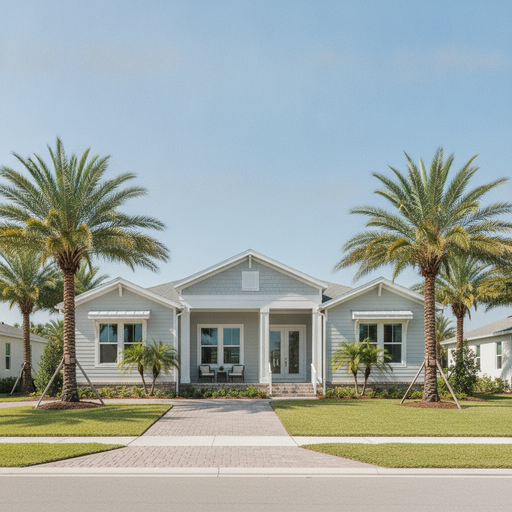
To understand the current trends in Florida’s property market, we must first clear the air about what a manufactured home actually is. Forget the outdated images of flimsy “trailers” from the 1960s. Today’s manufactured homes are built in climate-controlled factories under strict federal guidelines known as the HUD Code. This ensures every home meets rigorous standards for structural design, fire safety, and energy efficiency.
The trend we are seeing in Florida right now is a shift toward “attainably luxury.” Manufacturers are now offering floor plans that include vaulted ceilings, granite countertops, stainless steel appliances, and even wrap-around porches. For someone like Dave, this means he can get a 1,800-square-foot home with modern finishes for a fraction of the price of a site-built home, without sacrificing the aesthetic quality he worked so hard to afford.
Why Florida is the Epicenter of the Trend
Florida has always been a magnet for relocation, but the post-pandemic era accelerated this movement. Thousands of people move to the Sunshine State every week, driven by the lack of state income tax, the tropical climate, and a robust job market. However, the inventory of traditional single-family homes hasn’t kept pace with this demand.
Manufactured housing is filling this gap. It offers a faster construction timeline and a significantly lower cost per square foot. In a market where a standard home might take 12 to 18 months to build, a manufactured home can be produced and installed in a matter of months. This speed is a critical factor for the thousands of “new Floridians” looking for a place to settle quickly.
The 55+ Lifestyle Boom
One of the most dominant trends in Florida’s manufactured housing sector is the rise of age-restricted (55+) communities. These aren’t just housing developments; they are lifestyle hubs. Many of these communities offer amenities that rival five-star resorts, including:
- Championship golf courses and putting greens.
- State-of-the-art fitness centers and yoga studios.
- Resort-style swimming pools and hot tubs.
- Pickleball courts (the fastest-growing sport in Florida).
- Social clubs, craft rooms, and organized excursion calendars.
For retirees, the appeal is twofold: they can downsize their financial obligations while “upsizing” their social life. By choosing a manufactured home in a land-lease community, they can keep more of their retirement savings in the bank while enjoying a neighborhood designed specifically for their demographic.
Resilience in the Face of the Storm
When people talk about Florida property, the conversation inevitably turns to hurricanes. There is a common misconception that manufactured homes are “storm magnets.” However, modern trends in engineering have changed the narrative. Since the mid-1990s, HUD has implemented strict wind-zone requirements. Homes built for Florida (specifically Wind Zone 2 and Zone 3) are engineered to withstand hurricane-force winds.
Current trends show that developers are going even further. Many new communities are incorporating advanced anchoring systems, reinforced roofing, and impact-resistant windows. In recent storms, modern manufactured homes built to these standards have shown remarkable resilience, often performing just as well as, if not better than, older site-built homes. This safety factor is a major selling point for skeptical buyers moving from the North.
Land-Lease vs. Land-Owned: A Growing Choice
Another interesting trend in Florida is the diversification of ownership models. Traditionally, most manufactured homes were in “land-lease” communities, where you own the home but pay a monthly fee to rent the lot. This model remains popular because it lowers the initial purchase price and often covers amenities like lawn care, trash pickup, and security.
However, we are seeing a growing demand for “land-owned” manufactured home subdivisions. In these communities, the buyer owns both the home and the deed to the land. This trend is driven by buyers looking for long-term equity growth and traditional mortgage financing. Having the choice between these two models allows Florida residents to tailor their housing costs to their specific financial goals.
The Investor Perspective: The New “Gold Mine”
It’s not just homebuyers who are noticing these trends; institutional investors are pouring billions into Florida’s manufactured housing communities. Why? Because the demand is recession-resistant. Even when the economy dips, people still need affordable places to live. Furthermore, once a home is placed in a community, it rarely leaves, providing a stable and predictable stream of income for the park owners.
This institutional interest has led to the professionalization of property management in these parks. Residents are seeing better infrastructure, cleaner common areas, and more professional service. However, it also means that “deals” are harder to find as the market becomes more efficient and competitive.
Sustainability and the Future
As we look toward the future, sustainability is becoming a key trend in Florida’s manufactured housing. Because these homes are built in factories, there is significantly less construction waste compared to site-built homes. Additionally, many manufacturers are now focusing on “Green” certifications, offering homes with superior insulation, energy-efficient windows, and solar-ready configurations.
In a state where air conditioning runs for nine months of the year, the energy efficiency of a modern manufactured home can save homeowners hundreds of dollars a month. This eco-friendly approach is resonating with a new generation of environmentally conscious buyers who are looking to minimize their carbon footprint while maximizing their lifestyle.
Conclusion: Finding Your Place in the Sun
Back to Dave. After touring several communities, he finally found his spot—a stuing three-bedroom manufactured home in a quiet community just minutes from the Gulf of Mexico. He has a screened-in “lanai” where he sips his coffee every morning, a community pool where he’s made three new friends, and most importantly, he still has a healthy nest egg in his savings account.
The trends in Florida’s manufactured housing market are clear: the sector is moving toward higher quality, better resilience, and lifestyle-centric living. Whether you are looking for a retirement paradise, a first home, or a smart investment, the manufactured housing market in Florida offers a unique opportunity to achieve the Florida dream without the nightmare of overextending your finances.
The Sunshine State is evolving, and the way we live in it is changing for the better. As long as the sun keeps shining, the demand for affordable, high-quality housing will continue to grow—and manufactured homes are leading the charge.