Riding the Waves: A Comprehensive Guide to Florida Shoreline Real Estate Trends in 2024

The Timeless Allure of the Florida Coast
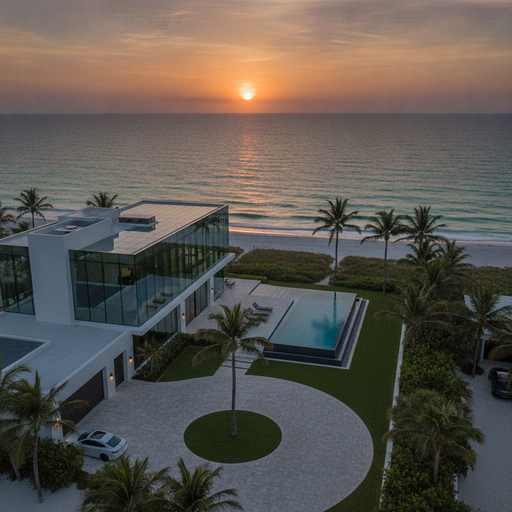
Imagine waking up to the gentle sound of the Atlantic tide pulling back from the shore, or watching the sun sink into the Gulf of Mexico, painting the sky in hues of violet and gold. For decades, this dream has fueled one of the most vibrant real estate markets in the world. Florida’s shoreline isn’t just a geographic boundary; it is a lifestyle, a status symbol, and for many, a lifelong goal. However, the landscape of Florida shoreline real estate is shifting. Like the tides themselves, the market experiences ebbs and flows, influenced by economic winds, environmental shifts, and changing buyer priorities.
SUBMIT YOUR DETAILS FOR
In 2024, the narrative of Florida’s coastal property is no longer just about white sand and palm trees. It is a complex story of resilience, luxury, and strategic investment. Whether you are a first-time buyer looking for a vacation condo or a seasoned investor eyeing a multi-million dollar estate, understanding the current trends is essential to navigating these beautiful but complex waters.
The Great Migration and the Demand for Coastal Living
Despite headlines regarding rising costs, the influx of new residents to Florida remains a powerful driver of the shoreline market. The “Sunshine State” continues to benefit from a significant domestic migration trend. People are fleeing high-tax states in the Northeast and Midwest, drawn by Florida’s lack of state income tax and its year-round outdoor lifestyle. This migration has evolved; while retirees were once the primary demographic, we are now seeing a surge in young professionals and remote workers who want their “office” to have a view of the ocean.
This steady demand has kept inventory levels relatively tight in prime coastal areas. From the glamour of Miami Beach to the quiet charm of Amelia Island, the desire for a piece of the coast is stronger than ever. However, buyers are becoming more discerning. They are no longer just looking for any house near the water; they are looking for properties that offer a blend of modern amenities and long-term security.
The Rise of “Resilient Luxury”
Perhaps the most significant trend in Florida shoreline real estate is the focus on resilience. In the past, a beachfront home was judged by its floor plan and finishes. Today, it is judged by its elevation, the strength of its impact-resistant windows, and the integrity of its sea wall. We are seeing the emergence of what industry experts call “Resilient Luxury.”
New developments are being built with future climate scenarios in mind. Developers are raising the grade of entire lots and incorporating advanced drainage systems. For buyers, these features are no longer “nice-to-haves”—they are essential. This shift is also creating a price divergence. Homes built to the latest storm codes or those recently retrofitted are commanding a significant premium, while older, un-renovated structures may linger on the market longer as buyers factor in the cost of future upgrades.
Navigating the Insurance Landscape
We caot talk about Florida real estate without addressing the “elephant in the room”: property insurance. The state’s insurance market has faced significant turbulence over the last few years. High premiums and the exit of some national carriers have made insurance a central part of the real estate conversation. For shoreline properties, where the risk of wind and flood damage is naturally higher, this is especially true.
However, there is a silver lining. Recent legislative reforms in Florida aimed at reducing frivolous litigation are starting to show signs of stabilizing the market. New carriers are slowly entering the state, and many buyers are finding that while costs are higher than they were five years ago, the dream of coastal living is still attainable through careful plaing. Savvy buyers are now performing “insurance due diligence” alongside traditional home inspections, ensuring they understand the full cost of ownership before signing on the dotted line.
The Expansion of Emerging Coastal Markets
While hotspots like Naples, Palm Beach, and Miami continue to see record-breaking sales, a new trend is the exploration of Florida’s “secondary” coastal markets. Buyers who find themselves priced out of the traditional luxury hubs are looking toward areas like the Space Coast (Melbourne and Cocoa Beach), the “Forgotten Coast” in the Panhandle, and the tranquil shores of the Nature Coast on the Gulf side.
These areas offer a different kind of Florida experience—one that feels a bit more authentic and “Old Florida.” They provide the same stuing shoreline but at a more accessible price point. Investors are particularly interested in these regions, betting on the long-term appreciation as infrastructure improves and more people discover these hidden gems.
The Shift Toward Wellness and Amenity-Rich Communities
The modern shoreline buyer is looking for more than just a house; they are looking for a curated lifestyle. This has led to a boom in “wellness-focused” coastal developments. We are seeing condos and gated communities that offer high-end spas, salt-water pools, organic gardens, and direct access to nature trails and water sports.
The goal is to create a sanctuary where the resident never has to leave the property to feel rejuvenated. In the shoreline market, this often manifests as “beach clubs” where residents can enjoy private service, paddleboarding, and yoga on the sand. This trend reflects a broader shift in our culture toward prioritizing mental health and physical well-being, and Florida’s coast is the perfect backdrop for this lifestyle.
Investment Outlook: Short-Term Rentals vs. Long-Term Holds
Florida has long been a haven for real estate investors, but the strategy is changing. High-interest rates have cooled the “fix-and-flip” frenzy of previous years, leading to a more calculated approach. Short-term rentals (STRs) remain popular in coastal towns, but increased regulation at the local level means investors must be incredibly diligent about zoning laws.
On the other hand, long-term holds are looking increasingly attractive. With Florida’s population projected to continue its upward trajectory, the scarcity of coastal land ensures that property values are likely to remain resilient over time. Many investors are now focusing on acquiring high-quality assets in areas with strong rental demand, viewing them as a hedge against inflation and a way to build multi-generational wealth.
Conclusion: Finding Your Place in the Sun
The Florida shoreline real estate market is currently in a state of sophisticated evolution. It is a market that demands more knowledge and preparation than it did a decade ago, but the rewards remain just as sweet. From the technological marvels of new resilient architecture to the quiet beauty of emerging beach towns, there is a place for everyone in the Sunshine State.
Success in this market comes down to understanding that the coast is more than just a location—it is a living, breathing environment. By focusing on quality, resilience, and lifestyle, buyers can find not just a house, but a sanctuary that will stand the test of time and provide joy for years to come. The tides will always change, but the allure of the Florida shore is eternal.